

7 Ways to Organize a home fridge for Drinks (2026)
Drinks get lost in the back of the fridge, only to be found months after they've expired. Restocking is a chaotic shuffle that pushes older cans further into oblivion, wasting money and creating clutter.
Why Most Drink Fridges Become a Mess
The root cause of fridge chaos is simple: random loading without a system. New drinks get shoved wherever there's a gap, pushing older ones to the back. Without a first-in, first-out rotation habit, those back-row items are forgotten. This disorganization isn't just messy; it's costly. A disorganized cooler leads to wasted products and frustrating searches when you're in a hurry.
Most households toss at least one or two expired drinks per month simply because they were hidden from view. The following seven methods provide a clear system to stop the waste and keep your drinks perfectly organized.
7 Ways to Organize Your home fridge for Drinks
1. Use FIFO — Load New Behind, Grab Old First [Editor's Choice]
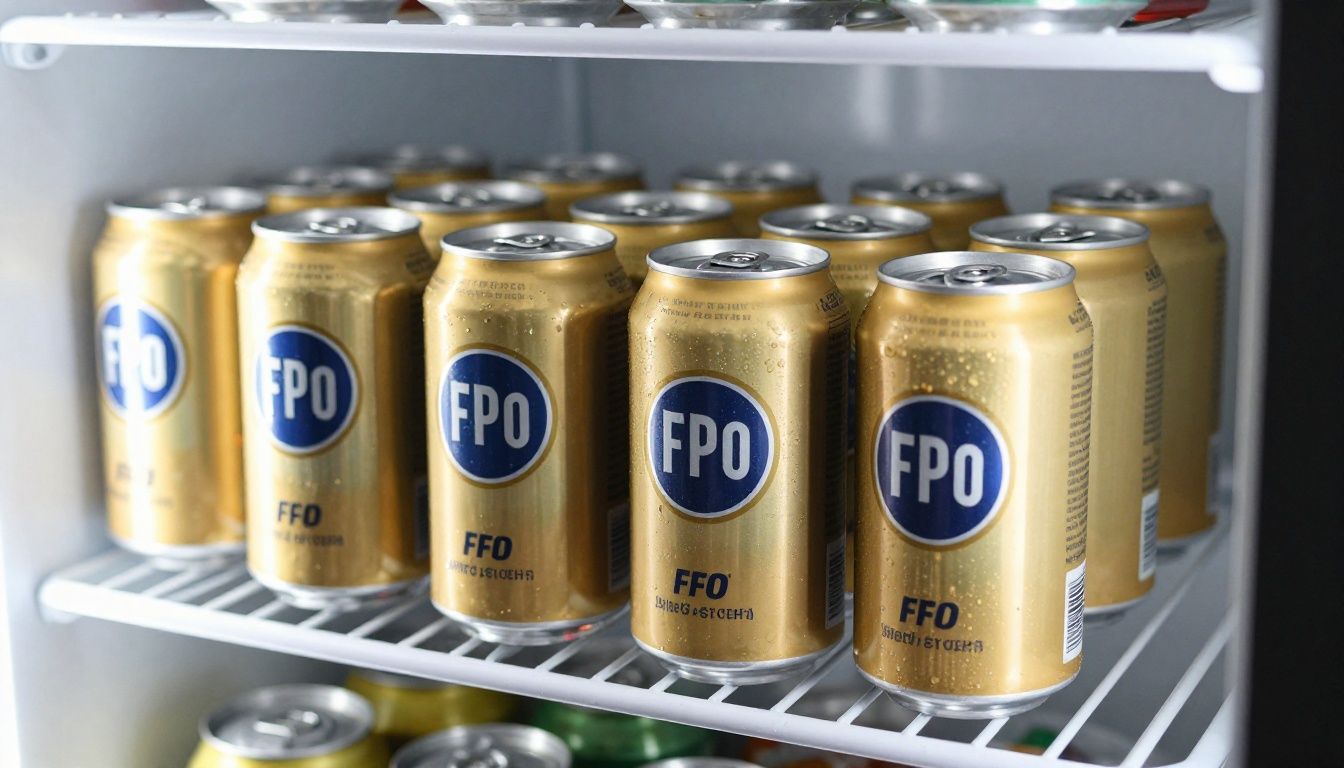
First in, first out (FIFO) is the guiding principle for preventing waste. Expired cans are almost always the ones that were pushed to the back during a hasty restocking. To implement this manually, always load new cans from the back or left side of a shelf, and make a habit of grabbing from the front or right. The best tool for this is an organizer that automates the process, like the U-Beverage Tray. Its patented, U-shaped track loads from one side and dispenses from the other, so the oldest drink is always served first with zero sorting required. This dishwasher-safe, Michigan-made system is not ideal for shelves less than 14 inches deep or for those who primarily store non-standard can sizes.
2. Zone Shelves by Drink Type
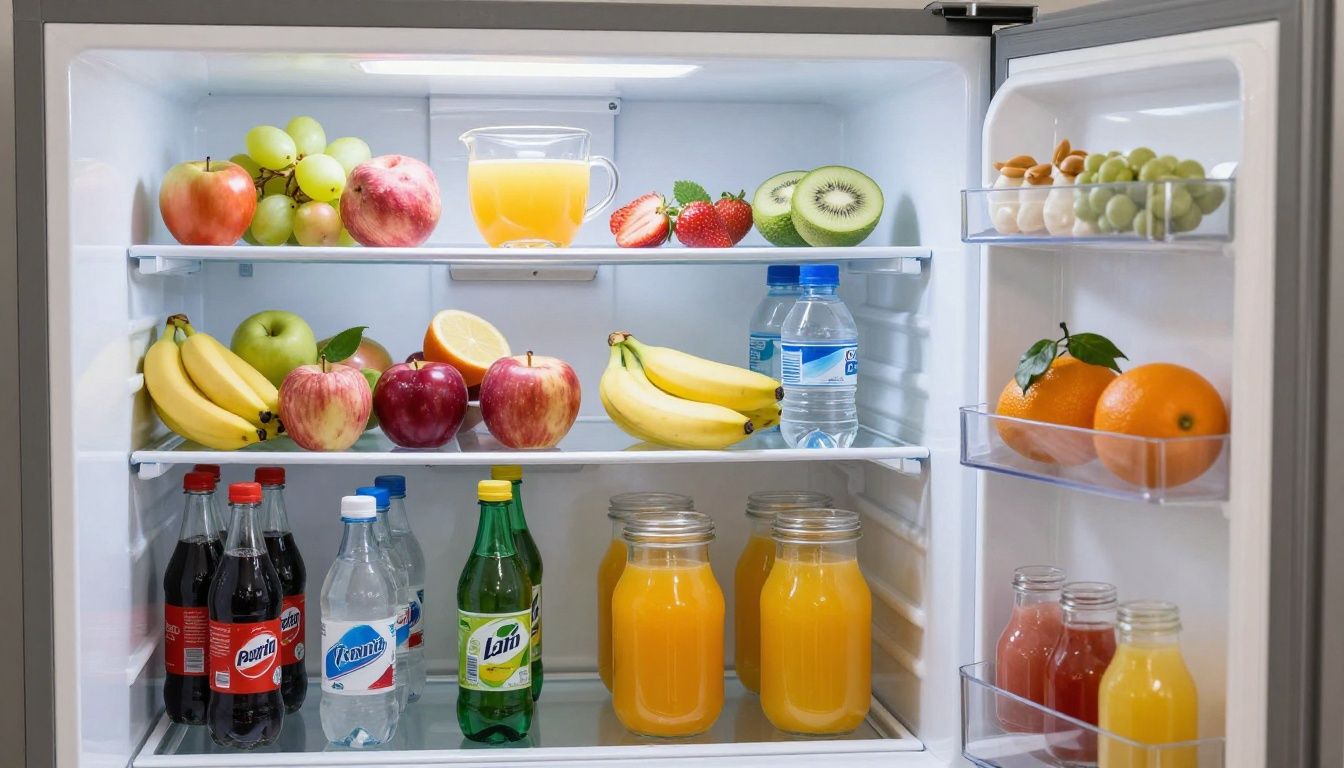
Dedicate one shelf to each drink category. This simple rule eliminates the daily dig-and-search for a specific seltzer or soda. First, audit your common drink purchases. Second, assign a fixed shelf for each type (e.g., top for seltzers, middle for sodas). Third, add labels if multiple people use and restock the fridge. Simple shelf bins or labels are effective tools for maintaining these zones. This tip is less critical for households that stick to only one or two drink types; in that case, just focus on front-loading your go-to beverage.
3. Put Most-Used Drinks at Eye Level
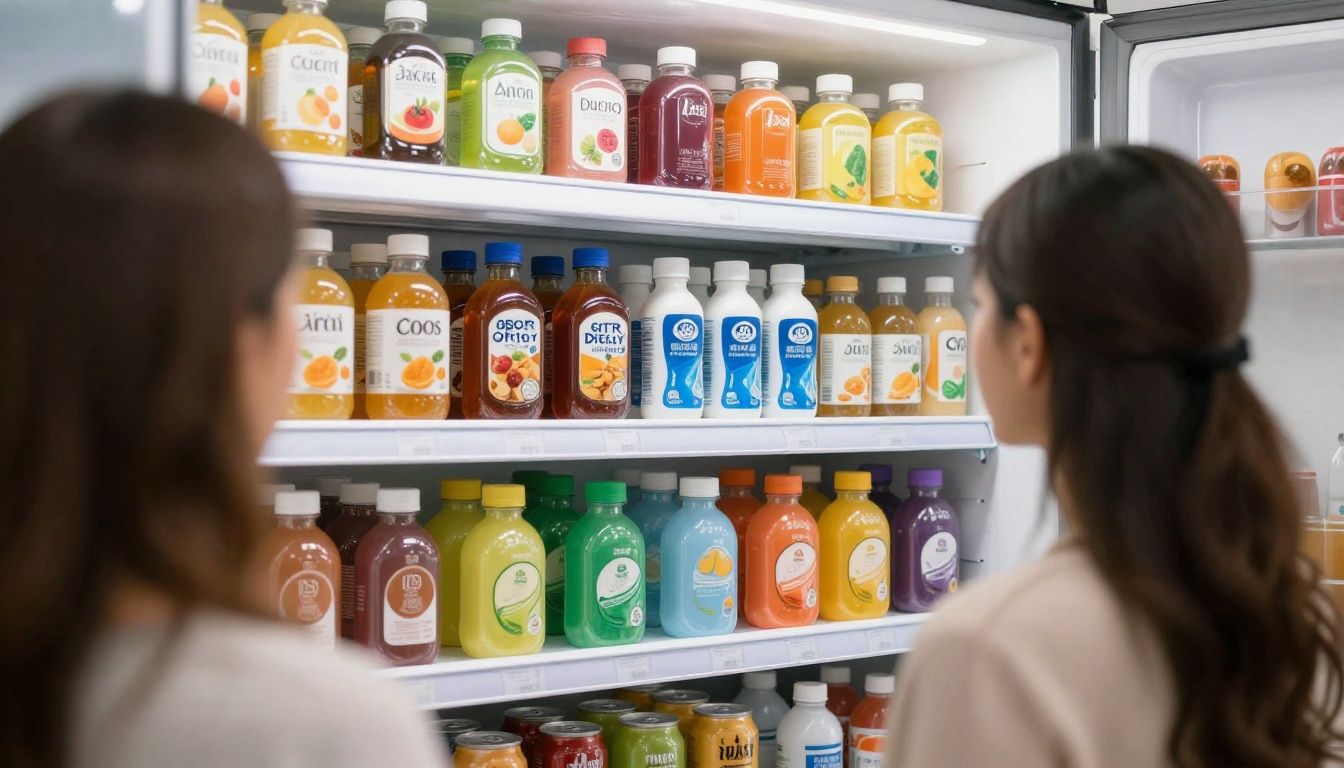
Match access frequency to shelf height. Drinks stored on the bottom shelf or in crisper drawers are often ignored, leading to them being forgotten and expiring. To fix this, identify your daily-grab drinks and move them to a shelf between your waist and eye level. Relegate specialty or less-frequently consumed drinks to the bottom shelf or door. No special tools are needed for this—just a one-time reorganization. You can skip this tip if your fridge only has two shelves, as your placement options are already limited.
4. Group Same Drink Types Together
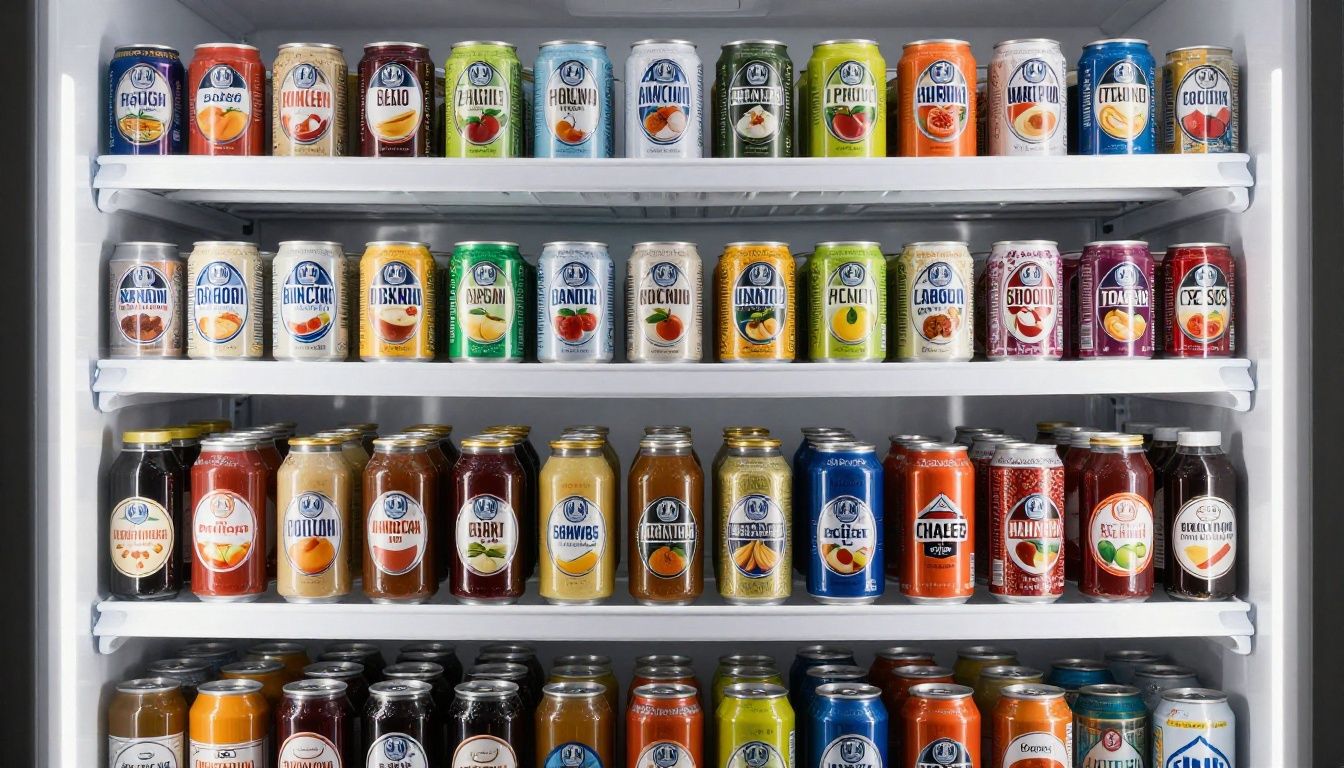
Store one type of drink per shelf section. A mixed shelf causes the "can't find it" problem even when you're fully stocked, because items get hidden behind one another. To implement this, pull everything out of the fridge and sort all drinks by their exact type—sparkling water, cola, juice, beer, etc. Then, reload them onto the shelves in distinct, uniform blocks. You can use divider bins to enforce these sections, but neat arrangement often works just as well. This system is not ideal for multi-person households unless a clear restock rule is posted and followed by everyone.
5. Reserve the Door for Low-Priority Drinks
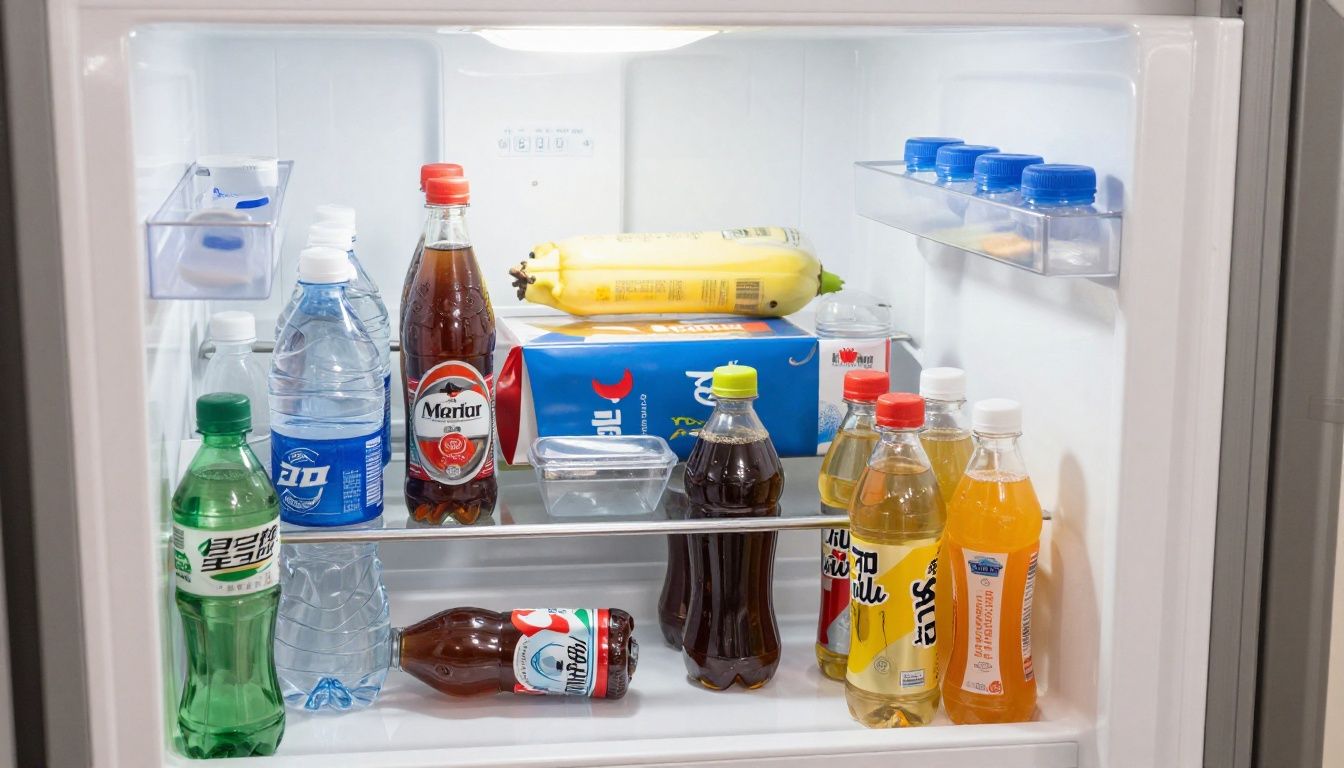
The door is the warmest zone in your fridge. According to food safety experts, the temperature on the door can swing 5–8°F every time you open it, which degrades carbonation and can affect the taste of other sensitive drinks. First, move all carbonated beverages off the door shelves. Second, use the door for items that are less temperature-sensitive, like non-carbonated water, sports drinks, or condiments. This method uses the standard door bins that come with your fridge. This tip is irrelevant for mini-fridges that lack significant door storage.
6. Use Bins to Contain Loose Bottles
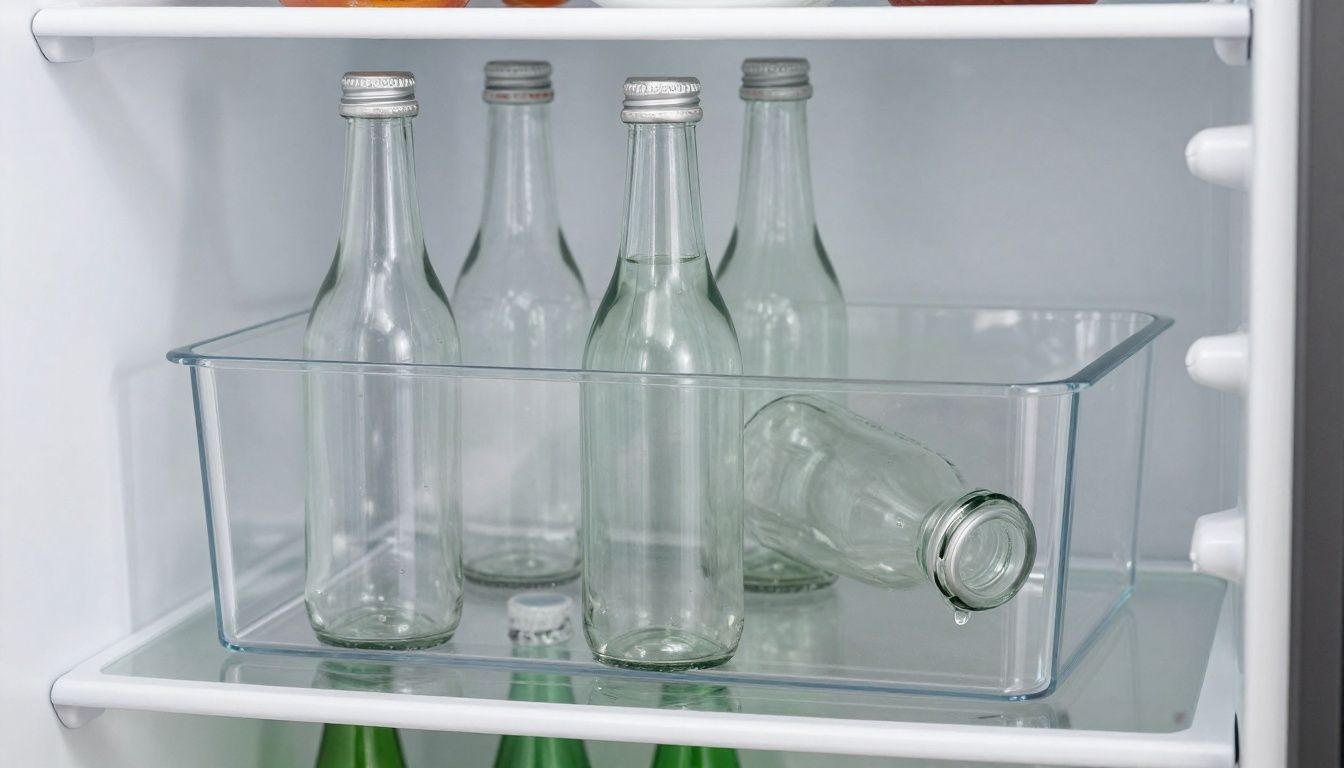
Loose bottles roll, tip, and block access to everything behind them. A single tipped bottle can force you to pull the entire shelf's contents out just to reach what you need. To solve this, choose a bin that fits your shelf depth, place bottles inside with necks facing the same direction, and leave a one-bottle gap for an easy grab. Clear acrylic or wire bins are best. For cans, a dedicated organizer like the U-Beverage Tray prevents tipping and rolling by keeping them in a secure track. Note that bins often require an extra inch or two of overhead clearance, so they may not fit on tightly spaced shelves.
7. Do a Weekly 2-Minute Reset
Maintenance should be a weekly habit, not a monthly project. Letting the organization lapse for a month means your zones will collapse and expiry dates will drift, undoing all your hard work. On restock day, take two minutes to pull everything forward, glance at the expiry dates on items in the back, and reload with the oldest items at the front. No tools are needed, just discipline. This is for home use; commercial operators need a daily rotation log to comply with health and safety standards.
Common Mistakes That Undo Your System
Dumping new drinks in front of old ones is the fastest way to break any organization system. It guarantees the items in the back will expire before you ever see them again.
Ignoring expiry dates until they are months past due is another common pitfall. A quick check during the weekly reset prevents this, saving you from pouring money down the drain.
Finally, avoid zoning by color or can size instead of by the actual drink type. While it may look aesthetically pleasing, it makes finding a specific beverage much harder and slower.
FAQ
Does FIFO really matter in a home fridge?
Yes, especially if you buy in bulk. One 12-pack of soda loaded in front of another means the back pack sits for weeks, potentially going flat or past its best-by date. The fix is to always load behind existing stock or use a self-rotating organizer.
How many organizers do I actually need?
Typically, you only need one or two key pieces. One FIFO tray for cans and one bin per common bottle type is a great start. Using more than four organizers in a standard fridge can block airflow and waste valuable space.
What's the best way to organize drinks in a commercial cooler?
For commercial settings, the rules are stricter. Use zones organized by brand and SKU. FIFO is mandatory for health code compliance and should be tracked with a daily rotation log. For under-bar coolers, a purpose-built organizer like the U-Beverage Tray is essential for speed and accuracy during busy shifts.
